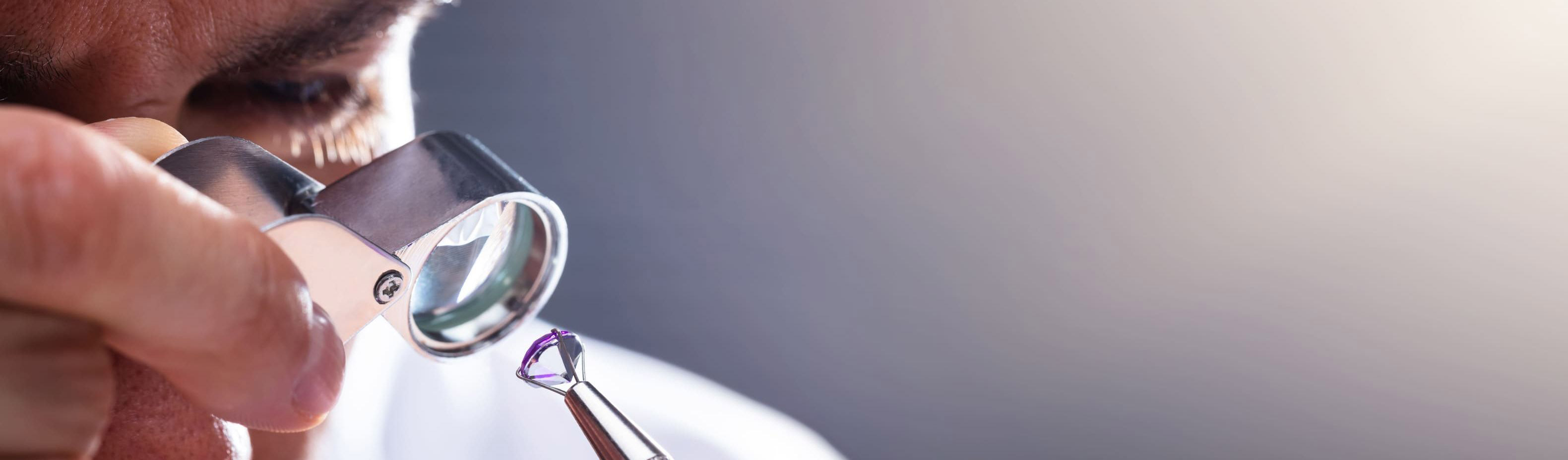
A jewelry appraisal can look perfectly official and still be seriously outdated.
If your appraisal was prepared 10 years ago, changes in precious-metal prices, gemstone markets, manufacturing costs, and professional appraisal standards may have made its value conclusion unreliable. Your jewelry may also have experienced wear, repairs, damage, or alterations that no longer match the original report.
An updated appraisal helps confirm that your jewelry remains properly documented, accurately described, and adequately insured.
What You Will Learn
- Why a 10-year-old appraisal may no longer provide dependable information
- How outdated values can affect an insurance claim
- Why condition, treatment, and identification should be reexamined
- What has changed in professional appraisal reporting
- When you should schedule an updated appraisal
Why Jewelry Appraisals Become Outdated
A jewelry appraisal reflects a specific item, market, purpose, and effective date.
It does not remain permanently accurate.
Over 10 years, many factors can change:
- Gold, platinum, and silver prices
- Diamond and colored gemstone markets
- Labor and manufacturing costs
- Availability of comparable jewelry
- Currency exchange rates
- Designer and brand recognition
- Antique and estate jewelry demand
- Insurance replacement practices
A value that was appropriate 10 years ago may now be too low, too high, or based on a market that no longer represents where a suitable replacement would be purchased.
Could Your Jewelry Be Underinsured?
Underinsurance creates one of the greatest risks associated with an outdated appraisal.
Suppose a ring was appraised for $8,000 a decade ago but would now cost $12,000 to replace with a comparable piece. Your insurer may rely on outdated documentation when establishing coverage, approving a replacement, or settling a claim.
You could face:
- Insufficient coverage
- A replacement of lower quality
- Unexpected out-of-pocket expenses
- Delays while outdated information gets verified
- Disagreements regarding gemstone quality or construction
An updated appraisal provides current documentation before a loss occurs—not after your jewelry has disappeared.
An Appraisal Should Document More Than Value
A professional appraisal should clearly describe what you own.
Depending upon complexity, a report may include:
- Metal type and purity
- Manufacturing method
- Item measurements and weight
- Gemstone identity
- Diamond and gemstone grading
- Estimated gemstone weights
- Setting style
- Designer signatures and hallmarks
- Condition
- Photographs
- Appraisal purpose
- Defined value type
- Market researched
- Effective valuation date
Older reports often contain limited descriptions, vague grading, poor photographs, or unsupported value conclusions. Some may provide little more than a brief sales description and a dollar amount.
That may not offer enough evidence to identify or replace your jewelry accurately.
Your Jewelry May Have Changed
Jewelry does not remain frozen in time.
Normal wear can affect both condition and value. Prongs wear down. Stones loosen. Shanks become thin. Clasps weaken. Gemstones chip or become abraded.
Your jewelry may also have been:
- Resized
- Repaired
- Reset
- Remounted
- Refinished
- Modified
- Missing a gemstone
- Fitted with a replacement gemstone
- Altered with a different chain, clasp, or component
An updated appraisal documents your jewelry as it exists today.
It may also uncover a condition problem before that problem results in the loss of a diamond or gemstone.
Gemstone Identification Has Advanced
Gemological knowledge and testing capabilities continue to expand.
During the past decade, jewelry professionals have encountered significant developments involving:
- Laboratory-grown diamonds
- New gemstone treatments
- Improved treatment-detection methods
- Composite and clarity-enhanced gemstones
- New gemstone sources
- More sophisticated imitations
- Expanded laboratory terminology
A gemstone identification or grading opinion from 10 years ago may deserve review, especially when the original appraisal contains limited testing information.
An updated examination may confirm prior findings—or reveal information that affects value, rarity, replacement, or saleability.
Professional Appraisal Standards Have Evolved
Appraisal science continues to develop.
Modern professional reports generally require clearer explanations of:
- Intended use
- Intended users
- Scope of work
- Effective date
- Definition of value
- Market selection
- Research methodology
- Limiting conditions
- Extraordinary assumptions
- Appraiser independence
- Supporting market evidence
A document created primarily as a sales presentation may not satisfy current expectations for an independent appraisal assignment.
A qualified appraiser should produce a report that explains not only the value conclusion, but also how that conclusion was developed.
An Old Appraisal May Still Be Useful
Do not throw away an older appraisal.
It can provide valuable historical information, including:
- Earlier gemstone measurements
- Previous condition
- Original mounting details
- Purchase history
- Designer attribution
- Prior photographs
- Earlier weights
- Records of repairs or alterations
Bring previous appraisals, receipts, laboratory reports, warranties, and repair records to your appointment. These materials help establish provenance and may assist with identifying changes.
However, an old report should serve as historical documentation—not automatic proof of current value.
How Often Should Jewelry Be Reappraised?
No single schedule applies to every piece.
Many jewelry owners benefit from having important pieces reviewed every three to five years. More frequent updates may be appropriate when:
- Precious-metal or gemstone markets change sharply
- Jewelry has a high value
- An item contains rare or unusual gemstones
- A piece has been repaired or altered
- A gemstone has been reset
- Condition has changed
- Your insurer requests updated documentation
- You have moved or changed insurance companies
- An item has appreciated because of its maker, age, or provenance
A 10-year-old appraisal should, at minimum, be professionally reviewed.
Updating an Appraisal Does Not Mean Raising Every Value
A responsible appraiser does not automatically increase an old figure.
Some jewelry values rise. Others remain stable or decline.
Changes in fashion, consumer demand, gemstone treatment, brand desirability, manufacturing methods, and market availability can all influence value.
An independent appraisal should reflect current evidence—not simply apply an inflation percentage to an old number.
Insurance Value and Selling Value Are Not the Same
This distinction causes frequent confusion.
An insurance replacement appraisal estimates the cost to replace an item in an appropriate retail market. It does not predict what a dealer, auction company, estate buyer, or private buyer would pay you.
Depending upon your needs, you may require:
- Retail replacement value for insurance
- Fair market value for estate or tax purposes
- Equitable distribution value
- Liquidation value
- Marketable cash value
- Consultation regarding selling options
Every assignment requires the correct value definition and market.
What Happens During an Updated Appraisal?
A professional appraisal appointment may include:
- Examining and identifying each item
- Cleaning jewelry when appropriate
- Testing metal
- Measuring and grading gemstones
- Inspecting condition
- Recording hallmarks and signatures
- Photographing each piece
- Researching relevant markets
- Developing a supported value conclusion
- Preparing a written report
An updated appraisal creates a fresh record of your jewelry and its current condition.
Protect Your Jewelry Before You Need to File a Claim
The worst time to discover an appraisal was inadequate is after a theft, loss, or major damage event.
A 10-year-old appraisal may contain useful history, but it may not provide reliable current coverage or sufficient identification.
A professional review can determine whether your existing report remains usable, needs a value update, or requires a complete new appraisal.
Schedule a Professional Jewelry Appraisal Review
Peter Indorf provides independent jewelry appraisal and consulting services for fine jewelry, diamonds, colored gemstones, watches, antique jewelry, estate collections, and custom-designed pieces.
With more than five decades of jewelry experience, each assignment receives careful examination, detailed documentation, professional market research, and clear reporting.
Bring your jewelry along with any previous appraisals, receipts, laboratory reports, warranties, or repair records.
Do not wait until something happens to discover that your jewelry was underinsured or poorly documented. Schedule an appraisal review and know what you own, what condition it is in, and whether your coverage remains appropriate.
Peter Indorf