What You’ll Learn
- Why guessing jewelry value can cost you money
- Why appraisal value and resale value are not the same
- When you need a professional jewelry appraisal
- How expert guidance can help when selling jewelry
- Why market knowledge matters before you insure, divide, or liquidate jewelry
Your Jewelry May Be Worth More — Or Less — Than You Think
Jewelry often carries emotional meaning, family history, and financial value. A diamond ring, gold bracelet, inherited watch, pearl necklace, or colored gemstone piece may look beautiful, but beauty alone does not tell you what it is worth.
Many consumers make a costly mistake. They guess.
They rely on an old receipt, a store appraisal, a family story, an online search, or a quick offer from a buyer. Unfortunately, jewelry value depends on many factors: metal content, gemstone quality, brand, condition, rarity, craftsmanship, current market demand, and purpose of valuation.
A professional jewelry evaluation gives you facts. Facts help you protect your jewelry, make informed decisions, and sell with confidence.
Why Jewelry Value Can Be Confusing
Jewelry does not have one single value.
A ring may have one value for insurance replacement, another value for estate purposes, another value for equitable distribution, and another value in today’s resale market. Each value answers a different question.
For example:
- Insurance value helps replace a lost or stolen item with a comparable new piece.
- Fair market value may apply to estate, probate, divorce, or charitable donation work.
- Liquidation value reflects what an item may bring when sold within a specific timeframe.
- Scrap value reflects metal and gemstone recovery value, often without regard for design, maker, or retail appeal.
- Resale value depends on buyer demand, condition, style, brand recognition, and selling channel.
One piece of jewelry can have several correct values depending on assignment purpose.
That is why professional context matters.
Appraisal Value vs. Resale Value
Consumers often ask, “Why can’t I sell my ring for my appraisal value?”
That question comes up often because insurance appraisals and resale values serve different purposes.
An insurance appraisal estimates replacement cost. It helps an insurance company replace a lost item with a comparable new piece through a retail market. This value may include retail markup, labor, sourcing, design, setting, finishing, and market availability.
Resale value reflects what a buyer may actually pay in today’s secondary market. That market can be very different. Pre-owned jewelry, even gorgeous jewelry, often sells for less than new retail replacement value unless it has unusual rarity, strong design, a famous maker, exceptional gemstones, or strong collector demand.
Understanding this difference helps you avoid disappointment and make better decisions.
When Should You Get Jewelry Appraised?
A professional jewelry appraisal can help whenever you need accurate documentation, market insight, or legal clarity.
You should consider an appraisal when:
- You want to insure valuable jewelry.
- You inherited jewelry from an estate.
- You need values for probate or estate tax purposes.
- You are dividing jewelry among family members.
- You need values for divorce or equitable distribution.
- You are considering selling jewelry.
- You own older jewelry and want to understand what you have.
- You need updated documentation for insurance.
- You have diamonds, colored gemstones, pearls, watches, or signed jewelry.
- You want to know whether a piece should be repaired, redesigned, kept, sold, or scrapped.
An appraisal provides more than a number. It gives you a professional identification, description, photographs, value conclusion, and explanation of purpose.
What Affects Jewelry Value?
Several factors influence value. Some are obvious. Others require expert evaluation.
Metal Content
Gold, platinum, and silver prices change daily. Karat quality, weight, condition, construction, and purity all affect value.
A heavy 18K gold bracelet may have significant intrinsic value. A lightweight 14K fashion ring may have less metal value but still offer resale appeal if design, gemstones, or maker are desirable.
Gemstone Quality
Diamonds and colored gemstones require careful grading and identification. Size alone does not determine value.
A gemstone’s value may depend on:
- Color
- Clarity
- Cut quality
- Carat weight
- Origin
- Treatment
- Durability
- Rarity
- Market demand
For colored gemstones, treatment disclosure can dramatically affect value. A natural unheated sapphire, fine ruby, vivid emerald, Paraíba tourmaline, demantoid garnet, or fine spinel may have strong market appeal. Treated, synthetic, or imitation stones require a different valuation approach.
Design and Craftsmanship
Fine craftsmanship can add value beyond metal and gemstone content. Handmade construction, fine engraving, elegant proportions, quality setting work, and original design can make a piece more desirable.
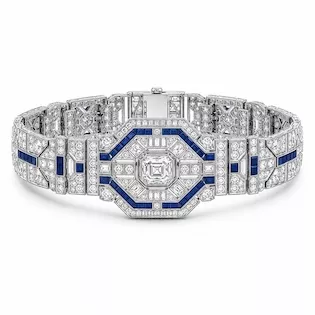
A stunning Art Deco bracelet, bold Modernist pendant, romantic Edwardian ring, or fabulous handmade gold brooch may appeal to collectors and design-conscious buyers.
Condition
Condition matters. Worn prongs, chipped stones, damaged clasps, broken hinges, missing gems, cracked pearls, and previous repairs can affect value.
Sometimes repair improves resale potential. Sometimes repair costs exceed market benefit. A professional review helps determine best course of action.
Maker, Brand, and Provenance
Signed jewelry can carry premium value. Names such as Tiffany & Co., Cartier, Van Cleef & Arpels, David Webb, Buccellati, Mikimoto, and other recognized makers may command strong secondary market interest.
Documentation, original boxes, sales receipts, gem reports, and provenance can also support value.
Market Demand
Jewelry trends change. Certain styles become fashionable again. Others soften.
Current demand may favor natural diamonds above certain sizes, signed jewelry, period pieces, fine colored gemstones, high-karat gold, luxury watches, and distinctive estate jewelry. Lab-grown diamonds, mass-market styles, and commercial jewelry may face different resale pressures.
Market knowledge helps you choose best selling channel.
Protect It: Why Insurance Appraisals Matter
If you own valuable jewelry, you need proper insurance documentation. Without a current appraisal, you may face problems after loss, theft, or damage.
A professional insurance appraisal documents:
- Item description
- Metal type and quality
- Gemstone identification
- Diamond and gemstone measurements
- Condition
- Photographs
- Replacement value
- Appraisal purpose and approach
Insurance companies rely on clear documentation. A vague receipt or outdated appraisal may not fully protect you.
Jewelry values change. Gold, platinum, diamonds, colored gemstones, and labor costs shift over time. Updating appraisals helps keep coverage aligned with current replacement costs.
Divide It: Estate and Family Jewelry Needs Clarity
Inherited jewelry often creates emotional and financial questions.
One family member may love a ring because of sentimental meaning. Another may want equal value. An executor may need fair market values for probate. An attorney may need documented values for estate settlement or equitable distribution.
Professional appraisal helps reduce confusion.
A qualified appraiser can identify important pieces, separate costume jewelry from fine jewelry, document values, and help families make fair decisions.
Clarity protects relationships.
Sell It: Know Before You Liquidate
Selling jewelry without expert guidance can leave money on the table.
A quick cash offer may be convenient, but may not represent maximum value. Some jewelry should go to a refiner. Some should be sold privately. Some may do better through a broker, dealer, auction house, or targeted buyer. Some pieces should be redesigned rather than sold.
Before selling, ask:
- Is this worth more as jewelry or scrap?
- Are any stones rare, untreated, or valuable?
- Is this signed or collectible?
- Does condition affect resale?
- Should I obtain a gemological report?
- Which selling channel gives best opportunity?
- What realistic price range should I expect?
A professional appraisal and liquidation consultation helps answer these questions before you accept an offer.
Why Online Estimates Can Mislead Consumers
Online searches can be useful, but jewelry values require context.
Two rings may look similar online but differ dramatically in value. One may contain a natural diamond. Another may contain a lab-grown diamond. One sapphire may be heated. Another may be unheated. One emerald may have minor clarity enhancement. Another may have significant treatment. One bracelet may be signed. Another may be generic.
Photographs alone rarely tell full story.
Accurate valuation requires hands-on inspection, testing, measurement, grading, market research, and professional judgment.
Work With an Experienced Jewelry Professional
Peter Indorf brings decades of experience as a jewelry designer, Graduate Gemologist, appraiser, buyer, broker, and market advisor. That combination matters because jewelry value does not come from one perspective alone.
A jeweler understands craftsmanship.
A gemologist understands diamonds, colored gemstones, pearls, treatments, and identification.
An appraiser understands valuation purpose, methodology, documentation, and professional standards.
A broker understands resale markets and selling channels.
Together, those skills give consumers practical guidance.
Start With Knowledge
Before you insure, divide, settle, redesign, or sell your jewelry, start with professional evaluation.
You may discover a piece has strong resale potential. You may learn a gemstone requires further testing. You may find an inherited item has more sentimental value than financial value. You may decide to protect a treasured piece with proper insurance documentation. You may choose to liquidate with a clear strategy.
Whatever next step you take, knowledge gives you control.
Final Thought
Don’t guess what your jewelry is worth.
Know it.
Protect it.
Or sell it for maximum value with expert guidance.
Call to Action
If you have jewelry, diamonds, colored gemstones, watches, estate pieces, or inherited items you would like evaluated, contact Peter Indorf for professional appraisal, consultation, or liquidation guidance.
A confidential review can help you understand what you own, what it may be worth, and what options make sense for your situation.