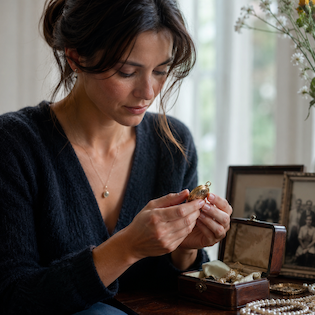
Inheriting jewelry can feel emotional, exciting, and overwhelming. You may have rings, bracelets, watches, pearls, pins, chains, loose gemstones, and pieces you have never seen before.
Some pieces may be valuable. Some may be sentimental. Some may be costume jewelry. Some may be best kept, redesigned, insured, divided among family, or sold.
The most important first step: consult with a knowledgeable jewelry appraiser and have them create a professional inventory before making decisions.
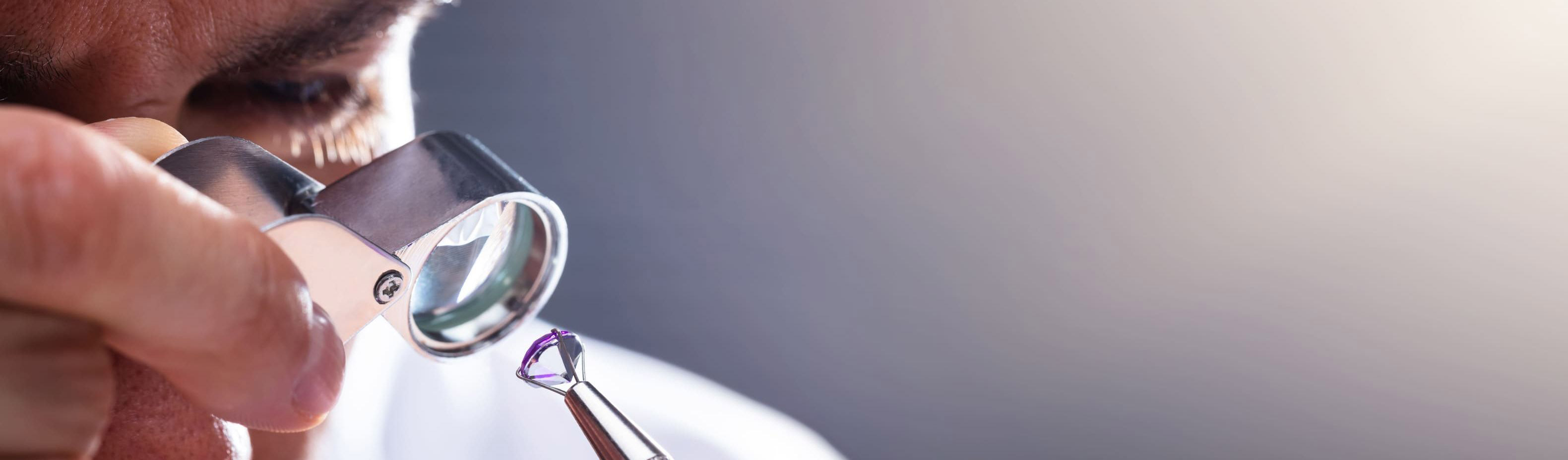
A trained gemologist and appraiser can identify each piece, organize the collection, explain what matters, and help you understand your best options.
What You’ll Learn
- Why inherited jewelry should be reviewed by a qualified expert
- Why an appraiser should create an inventory
- How an inventory helps avoid family confusion
- Why old appraisals may not reflect current value or current standards
- When jewelry should be kept, insured, redesigned, divided, or sold
- Why expert guidance protects you from costly mistakes
Start With an Expert Inventory
Before selling, dividing, repairing, cleaning, or redesigning inherited jewelry, have a knowledgeable appraiser create a clear inventory.
A professional jewelry inventory may include:
- Item number
- Photographs
- Description of each piece
- Metal type or markings
- Gemstone or diamond information
- Watch or designer details, when applicable
- Condition notes
- Family history, when known
- Initial value category
- Recommendation for next steps
This inventory becomes your roadmap. It helps you see the entire collection clearly before making emotional, financial, or family decisions.
Why an Inventory Matters
Inherited jewelry collections can become confusing quickly. Pieces may be loose in boxes. Earrings may be separated. Watches may need identification. Some rings may be gold. Others may be costume. Some stones may be natural. Others may be synthetic, treated, assembled, or imitation.
A professional inventory helps answer important questions:
- What pieces are in the collection?
- Which items have meaningful value?
- Which items may need formal appraisal?
- Which pieces should be insured?
- Which pieces are best kept for sentimental reasons?
- Which pieces may be sold, brokered, auctioned, or scrapped?
- Which pieces need repair, restoration, or redesign?
Without an inventory, families often rely on guesses. That can lead to mistakes, disagreements, or lost value.
Do Not Sell Anything Too Quickly
One of the biggest mistakes people make after inheriting jewelry is rushing to sell.
A gold buyer may only value metal weight. A pawn shop may not recognize antique, designer, or gemstone value. An online buyer may make an offer without understanding what makes a piece special.
Before selling, find out:
- Is this piece gold, platinum, sterling silver, or base metal?
- Are gemstones natural, synthetic, treated, assembled, or imitation?
- Does design, age, maker, or condition add value?
- Would this piece sell better as finished jewelry?
- Is scrap value the best option, or only the easiest option?
- Does this piece have family significance worth preserving?
Some jewelry deserves more than scrap value. A qualified expert gives you perspective before you give up ownership.
Why a Jewelry Appraiser Matters
Inherited jewelry can be surprisingly complex. Two rings may look similar but have very different values. A modest-looking brooch may be handmade platinum with fine diamonds. A stunning cocktail ring may contain synthetic stones. A simple chain may hold more gold value than several ornate pieces combined.
An experienced jewelry appraiser can help identify:
- Metal content and quality
- Diamond and gemstone identities
- Diamond quality
- Pearl type and condition
- Designer signatures or maker’s marks
- Period and style
- Repairs or alterations
- Overall condition, wear, damage, or missing stones
- Resale potential
- Insurance needs
- Liquidation options
This guidance helps you make informed decisions instead of emotional or hurried ones.
Inventory First. Appraisal Second.
Not every inherited piece needs a full written appraisal. That is why an inventory should come first.
After reviewing the collection, an appraiser can help separate items into categories:
- Pieces needing formal appraisal
- Pieces needing only basic identification
- Sentimental keepsakes
- Insurance candidates
- Redesign candidates
- Saleable finished jewelry
- Scrap metal items
- Costume jewelry
- Items needing further research
This saves time and money. It also prevents you from paying for formal appraisals on pieces that do not need them.
Separate Sentimental Value From Market Value
Your grandmother’s jewelry may carry deep personal meaning. A ring she wore every day may be priceless to your family, even if market value is modest.
At the same time, a piece with little sentimental pull may have strong resale value.
A good consultation helps you sort jewelry into practical categories:
- Keep for sentimental reasons
- Wear and enjoy
- Repair or restore
- Redesign into something fresh and fashionable
- Insure
- Divide among heirs
- Sell privately, broker, consign, auction, or liquidate
- Scrap for precious metal value
This process brings clarity and helps avoid family disagreements.
Old Appraisals May Not Tell the Whole Story
Many inherited jewelry collections include old insurance appraisals. These documents may provide useful clues, but they may not reflect current value, current market conditions, or today’s professional appraisal standards.
Jewelry appraisal practice has changed significantly. Appraisal science has expanded. Gemological testing has improved. Market research has become more detailed. Professional report writing now requires clearer definitions, stronger documentation, better support for value conclusions, and careful explanation of intended use.
A modern professional appraisal should explain:
- Purpose of appraisal
- Intended use of report
- Type of value being developed
- Market level being considered
- Relevant item descriptions
- Gemological observations
- Condition
- Methodology
- Market data support
- Assumptions and limiting conditions
- Appraiser qualifications
Professional appraisal reports should follow recognized standards, including USPAP when applicable. USPAP, the Uniform Standards of Professional Appraisal Practice, provides ethical and performance standards for appraisers. It helps ensure appraisal reports are credible, properly developed, and clearly reported.
This matters because different values serve different purposes. An old insurance appraisal may show replacement value. That does not mean a piece would sell for that amount. Estate, probate, equitable distribution, resale, liquidation, and insurance all require different value definitions and different market perspectives.
A knowledgeable appraiser can review old documents, inspect current condition, determine whether information still applies, and explain what type of updated valuation may be needed.
Some pieces may be saleable as finished jewelry. Others may be best valued for gold, platinum, diamonds, gemstones, or component parts. Older paperwork rarely answers that question clearly.
Old appraisals can be helpful starting points. They should not be treated as final answers.
Know When You Need a Formal Appraisal
A formal appraisal may be needed for:
- Estate tax or probate
- Equitable distribution among heirs
- Insurance coverage
- Charitable donation
- Legal matters
- Significant diamonds, gemstones, watches, or designer jewelry
A professional inventory helps determine which pieces justify detailed documentation.
Consider Redesigning Meaningful Jewelry
Some inherited jewelry may not match your personal style. That does not mean it should sit in a drawer.
A dated ring, brooch, pendant, or pair of earrings can sometimes become something fresh, elegant, and wearable.
Possibilities include:
- Resetting a grandmother’s diamond into a modern pendant
- Creating a bold new ring from inherited gemstones
- Using gold from old pieces toward a custom design
- Converting clip earrings to pierced earrings
- Restringing pearls
- Combining several family stones into one radiant centerpiece
Redesign can preserve family history while creating jewelry that fits your life now.
Be Careful With Family Division
Inherited jewelry can create tension when several family members want pieces from one collection.
A professional inventory can make this process much easier. With item numbers, descriptions, photographs, and value guidance, family members can see what exists and make decisions based on facts rather than assumptions.
Accurate information protects relationships and helps families avoid statements such as:
- “This looks bigger, so it must be worth more.”
- “That old piece cannot be valuable.”
- “This appraisal says $10,000, so that must be selling value.”
- “All diamonds are easy to sell.”
- “All gold jewelry should be scrapped.”
Best Next Step
If you inherited your grandmother’s jewelry, do not guess.
Do not clean everything.
Do not sell it quickly.
Do not rely only on old paperwork.
Do not divide pieces blindly.
Do not assume costume-looking jewelry has no value.
Start with a professional consultation and inventory.
A knowledgeable jewelry appraiser can examine each piece, create an organized inventory, identify hidden value, separate keepsakes from saleable items, and help you choose the best path forward.
Final Thought
Your grandmother’s jewelry deserves more than a quick offer or a rushed decision. Each piece may carry family history, financial value, design importance, or future potential.
A professional inventory turns a confusing box of jewelry into a clear, organized record.
From there, expert guidance helps you protect what should be protected, insure what should be insured, redesign what deserves new life, divide family pieces fairly, and sell wisely when selling makes sense.
Before you decide what to do with inherited jewelry, know what you have.
That begins with a knowledgeable appraiser, a careful inventory, and advice you can trust.
Peter Indorf
Peter Indorf Designs, LLC
1103 W Hibiscus Blvd
Suite 307B
Melbourne, FL 32901
Office: 321-914-0118
Mobile: 203-812-0669